
Newest Posts
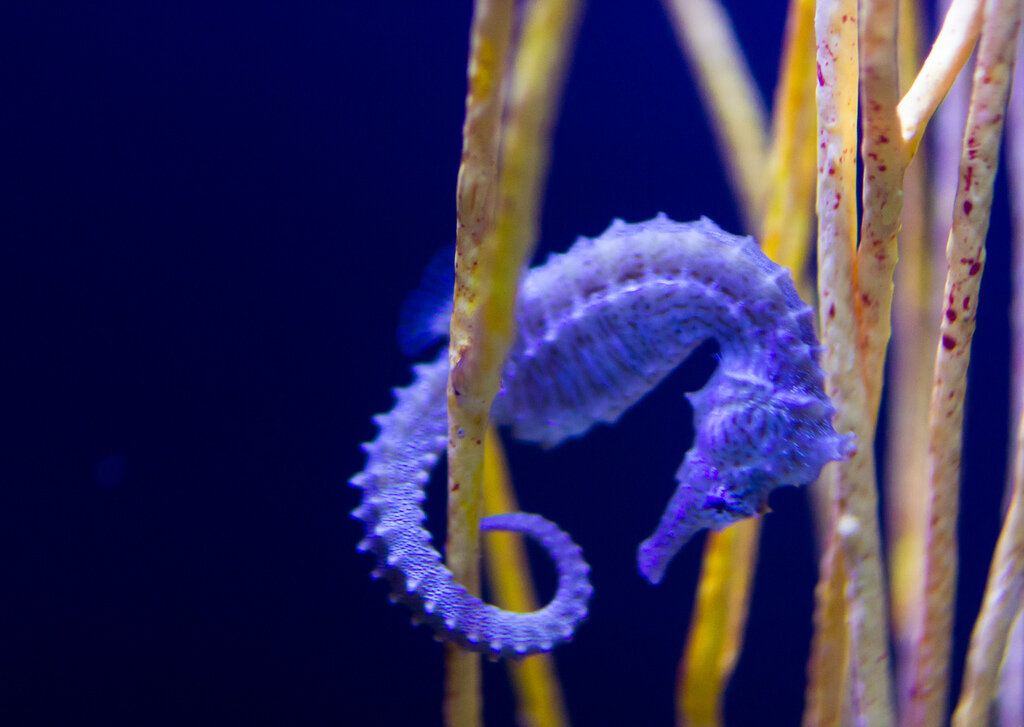
THE STRANGE SEAHORSE TAIL
At first glance, the animal kingdom has no shortage of tails. From crocodiles to platypuses, squirrels to pigs and fish to boa constrictors, the shapes, sizes and textures are diverse. But whether flat, flexible, paddle-like, scaly, bare, mighty, curly or fluffy, all tails have one thing in common: they are roughly circular in cross-section. Of all the tails in all the world, there’s just one that differs. And it belongs to the seahorse.

SCIENTISTS RESTRICTING THEIR OWN RESEARCH: THE HISTORICAL ASILOMAR MEETING
Forty years ago, at the birth of gene-editing technology, 140 brilliant scientists from all over the world met at Asilomar to discuss its usage. Now that they could join pieces of DNA in artificial ways, what should they do with it? What are the experiments they need to answer relevant questions? And more importantly, are those experiments safe and responsible? After 3 long days of intense discussion, scientists showed the public that they could self-regulate and set a precedent for scientific regulation.

GLOWING IN THE DEEP
Deep beneath the ocean, far beyond the reach of the sun’s rays, the waters pulsate and twinkle with electric blue light. Not distant stars, but marine organisms create this otherworldly glow, an enchanting adaptation called bioluminescence.

KEEP CALM AND METHYLATE ON
When cells are exposed to acute stresses they react with a series of molecular events collectively termed the 'cellular stress response.' Scientists in the Jaffrey group have revealed a novel method to fine-tuning the specific production of stress response proteins in a process they call m6A cap-independent translation.