
Newest Posts
WELCOME TO...PLEISTOCENE PARK
You probably remember the 1993 film, Jurassic Park. If not, the skinny is that a bunch of ambitious scientists use dinosaur DNA from preserved mosquitoes combined with modern reptile DNA to create your family fun dinosaur theme park (with real-life dinosaurs). It turns out this work of science fiction is a little more science and a little less fiction these days. I am not actually talking dinosaurs here, but we are now in an era where de-extinction is becoming possible. Before anyone goes all, honey, grab the flares, just STOP, collaborate and listen.
X MARKS THE SPOT OF THE DOUBLE HELIX
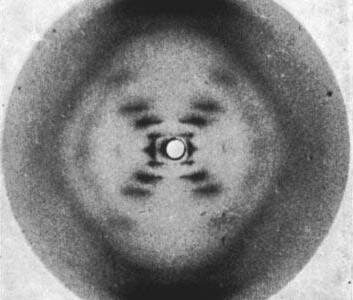
Picture a molecule of DNA. What does it look like? You probably envisioned the twisted ladder-like structure known as the double helix. Today, “double helix” is so intertwined with our understanding of DNA that a Google image search of the phrase brings up diagram after diagram of the molecule. But how was this structure discovered? How did scientists determine such an intricate design without being able to see DNA under a microscope? The answer came largely from this picture seen above.
BIOLOGY'S NEXT TOP MODEL: ORGANOIDS
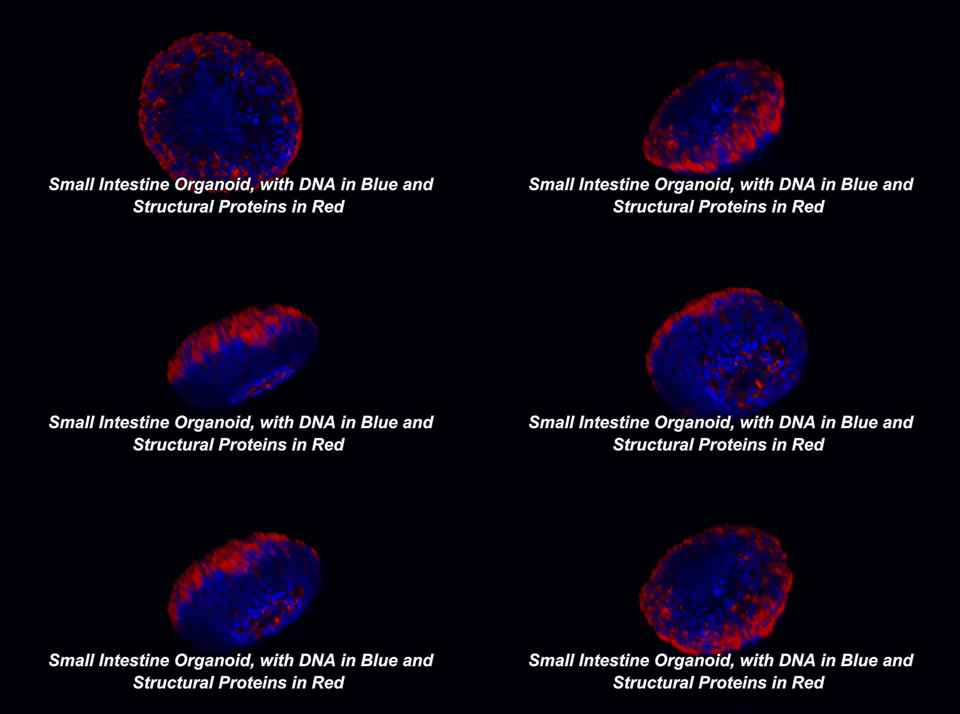
Human beings make for great scientists, but crummy biological test subjects. Think about it for a minute—if you were a researcher, how would you study an organism that is genetically diverse and takes decades to mature? These are only a couple of the many challenges that biologists face when studying human health and disease.

A CRAZED CROWD OF CRABS
A trip to the depths of the ocean is rarely dull, but last April, a group of scientists exploring Panama’s waters in a manned submersible found something “unexpected and mesmerizing.”