
Newest Posts

GETTING BENT
The Brooklyn Bridge is an engineering marvel. At the time it was completed in 1883, it was the world’s longest suspension bridge, stretching almost a mile between Brooklyn and Manhattan and dwarfing the tallest of New York’s skyscrapers. But for the workers who labored beneath the East River to create its foundation, the Brooklyn Bridge was a living hell. Many of the laborers suffered health problems, including flu-like symptoms, aches that sometimes grew into excruciating pains, paralysis, brain damage, heart attacks and even death. All together, these symptoms came to be known as a disease called “the bends.”
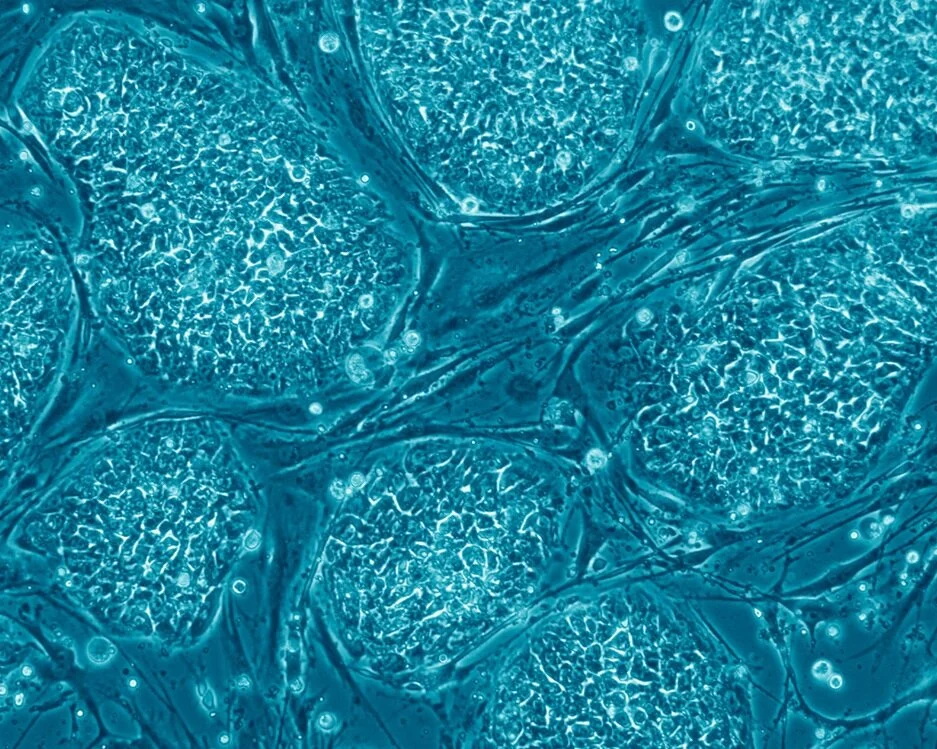
FROM BOMBS TO BLOOD: THE EVOLUTION OF STEM CELL BIOLOGY
Stem cells are a hot topic. They come up in conversations a lot: from the high hopes we have for the development of new stem cell therapies to the ethics of embryonic stem cell research. We talk about stem cells a great deal, but what exactly are they?
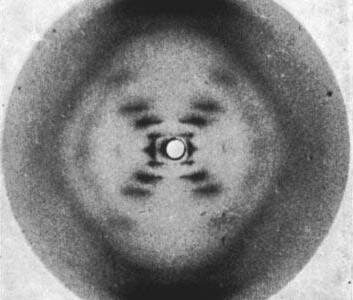
X MARKS THE SPOT OF THE DOUBLE HELIX
Picture a molecule of DNA. What does it look like? You probably envisioned the twisted ladder-like structure known as the double helix. Today, “double helix” is so intertwined with our understanding of DNA that a Google image search of the phrase brings up diagram after diagram of the molecule. But how was this structure discovered? How did scientists determine such an intricate design without being able to see DNA under a microscope? The answer came largely from this picture seen above.
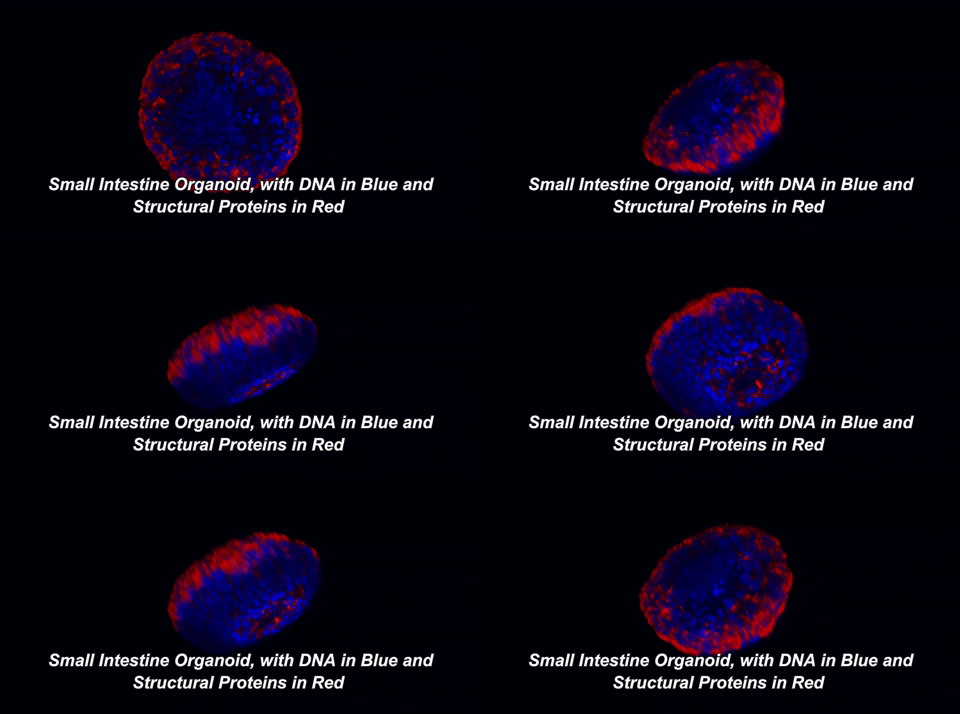
BIOLOGY'S NEXT TOP MODEL: ORGANOIDS
Human beings make for great scientists, but crummy biological test subjects. Think about it for a minute—if you were a researcher, how would you study an organism that is genetically diverse and takes decades to mature? These are only a couple of the many challenges that biologists face when studying human health and disease.